

The Benefits of a Dedicated Remote Editing Team for Content Creators
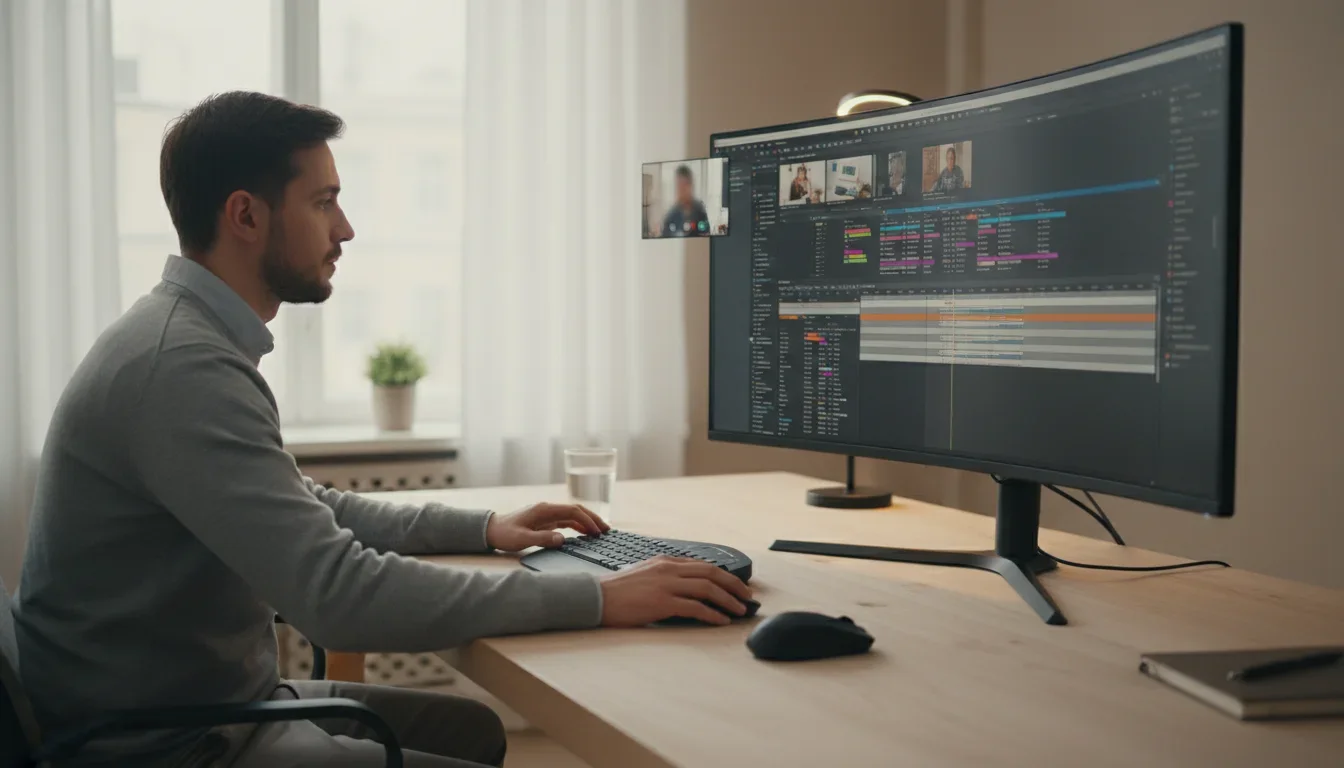
For most content creators, editing is the bottleneck.
You can film faster than ever. Ideas come easily. Platforms reward consistency.
But editing? That’s where momentum slows or breaks entirely.
This is why more creators are moving away from one-off freelancers and toward dedicated remote editing teams. Not as a shortcut, but as a long-term system for sustainable growth.
This article breaks down what a dedicated remote editing team actually is, how it differs from traditional outsourcing, and why it’s become one of the smartest moves serious creators can make.
What Is a Dedicated Remote Editing Team?
A dedicated remote editing team is not a rotating pool of editors or a gig-based freelancer arrangement.
It means:
You work with the same editor (or small team) long-term
They learn your voice, pacing, style, and audience
They operate like an extension of your in-house team, just remotely
The key difference is continuity. Editors aren’t relearning your brand every project, they are now refining it.
1. Consistency Builds a Recognizable Brand
Audiences recognize patterns before they recognize logos.
When the same editor handles your content consistently:
Pacing feels familiar
Visual rhythms stay consistent
Cuts, transitions, and structure feel intentional
This is especially important for creators publishing across multiple platforms. Consistency compounds trust, and trust compounds retention.
A dedicated team ensures your content feels cohesive, not stitched together from different creative interpretations.
2. Faster Turnarounds Without Rushing Quality
Speed doesn’t come from “editing faster.”
It comes from not starting from zero every time.
With a dedicated remote editor:
No onboarding for each project
No re-explaining preferences
No guessing tone or intent
Editors already know:
How you like your hooks
Where you usually cut
How aggressive or subtle your pacing should be
This drastically reduces revision cycles and allows creators to publish more frequently without sacrificing quality.
3. Lower Cost Than In-House, Higher Value Than Freelancers
Hiring in-house comes with:
Salary
Benefits
Equipment
Downtime between projects
Freelancers, on the other hand, often introduce:
Inconsistent quality
Availability issues
Repeated onboarding costs
A dedicated remote editing team sits in the middle:
Predictable monthly costs
No long-term overhead
Editors who are fully focused on your content
When structured properly, this becomes one of the most cost-efficient editing models available, something we explore further in The Complete Guide to Outsourced Video Editing (and Why It Saves You Money).
4. Editors Become Strategic Partners, Not Task Takers
The biggest shift creators experience isn’t technical, it’s creative.
When editors work with you long-term, they start to:
Suggest better pacing
Flag weak moments
Identify reusable clips
Anticipate platform needs
They stop asking “What do you want?”
And start asking “What are we optimizing for?”
That’s when editing moves from execution to collaboration.
5. Easier Repurposing Across Platforms
Modern creators don’t make one video.
One recording session often supports:
Long-form YouTube or podcast content
Short-form clips
Teasers and promos
Platform-specific cutdowns
A dedicated remote editing team understands your repurposing strategy and plans for it upfront.
This aligns closely with the systems discussed in The Ultimate Guide to Short-Form Video Editing for Brands, where planning and editing work together, not separately.
6. Reduced Burnout for Creators
Editing is mentally heavy.
Creators who try to do everything themselves often experience:
Creative fatigue
Publishing inconsistency
Decision overload
Delegating editing to a trusted, dedicated team frees creators to focus on:
Ideas
Performance
Audience engagement
Growth strategy
The result isn’t just better output, it’s longevity.
Common Mistakes Creators Make When Going Remote
Not all remote setups deliver these benefits. Common pitfalls include:
Hiring a new editor for every project
Prioritizing the cheapest rate over continuity
Treating editors as interchangeable
Failing to build feedback systems
A dedicated team works because it’s designed for relationships, not transactions.
What a Dedicated Remote Editing Team Should Feel Like
At its best, working with a remote editing team should feel like:
Having an in-house editor
Without managing payroll
Without long-term overhead
Without constant re-training
Editors should feel invested in your success… because they are!
Final Thoughts
For content creators serious about scaling, editing can’t be an afterthought.
A dedicated remote editing team provides:
Consistency
Speed
Cost efficiency
Creative partnership
More importantly, it creates a system that supports growth without burnout.
The creators who win long-term are not the ones working harder, they are the ones building smarter production ecosystems.
