

How to Turn Raw Podcast Footage Into a Professional Video Episode
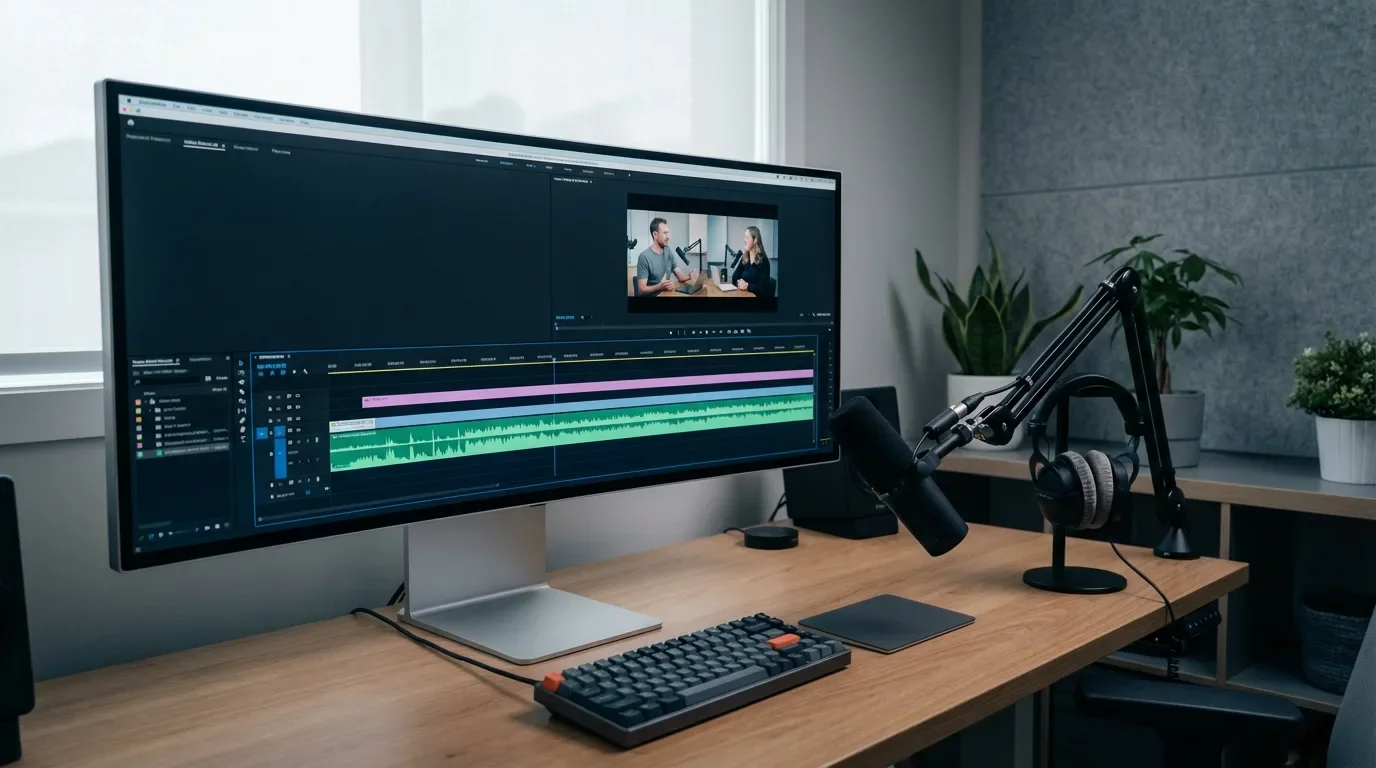
Raw podcast footage rarely feels professional at first glance. There are pauses, repeated thoughts, audio inconsistencies, camera shifts, and moments that drag. The difference between a rough recording and a polished video episode is intentional post-production. When editing is approached strategically, even simple recordings can feel refined, engaging, and brand-ready.
Start With Structure, Not Cuts
The first step in transforming raw footage is identifying the episode’s narrative flow. Even conversational podcasts need structure. An editor should clarify the introduction, tighten the core discussion, and ensure the closing feels deliberate rather than abrupt. This often means trimming redundancies, repositioning certain responses for clarity, and removing tangents that dilute the main theme. When structure is clear, the episode feels purposeful instead of improvised.
Clean and Balance the Audio
Professionalism is judged first by sound. Background noise, uneven levels, echo, and distracting breaths can immediately reduce perceived quality. Audio balancing, noise reduction, and subtle compression create consistency across speakers. Strategic removal of filler words and excessive pauses keeps the conversation flowing naturally without making it feel robotic. Strong audio editing alone can elevate a podcast episode more than any visual effect.
Refine Pacing Without Losing Authenticity
Podcast editing requires restraint. Over-editing can make conversations feel unnatural, but under-editing allows momentum to stall. The goal is to maintain authenticity while eliminating friction. Tightening long pauses, trimming repetitive phrasing, and smoothing transitions between topics keeps viewers engaged without sacrificing personality. Professional pacing feels effortless because distractions have been quietly removed.
Enhance the Visual Experience
Turning audio content into compelling video requires thoughtful visual reinforcement. Multi-camera switching, subtle zooms, branded lower thirds, and clean framing adjustments help maintain attention. When appropriate, light b-roll, graphics, or on-screen highlights can emphasize key points. Visual enhancements should support the conversation, not compete with it. Consistent color grading and balanced lighting further reinforce a cohesive, professional look.
Design for Platform and Repurposing
A professional episode is not just one final export. Editors should prepare clean timestamps, strong pull-quote moments, and structured segments that can be repurposed into short-form clips. Framing decisions may also account for vertical crops or social distribution. Planning for repurposing during editing saves time later and increases the long-term value of every recording session.
Polish the Final Delivery
The finishing touches separate amateur edits from professional ones. Smooth intro and outro transitions, cohesive music selection, balanced graphics, and consistent branding elements bring the episode together. Before publishing, the entire piece should be reviewed for flow, clarity, and technical consistency. When done correctly, the viewer does not notice the editing, they simply experience a clear, engaging conversation.
Final Thoughts
Turning raw podcast footage into a professional video episode is a process of refinement, not reinvention. Through structured storytelling, disciplined audio work, thoughtful pacing, and subtle visual enhancement, editors transform ordinary recordings into content that reflects authority and trust. Professional editing elevates the conversation without changing it.
