

How to Choose the Right Editing Style for Your Industry
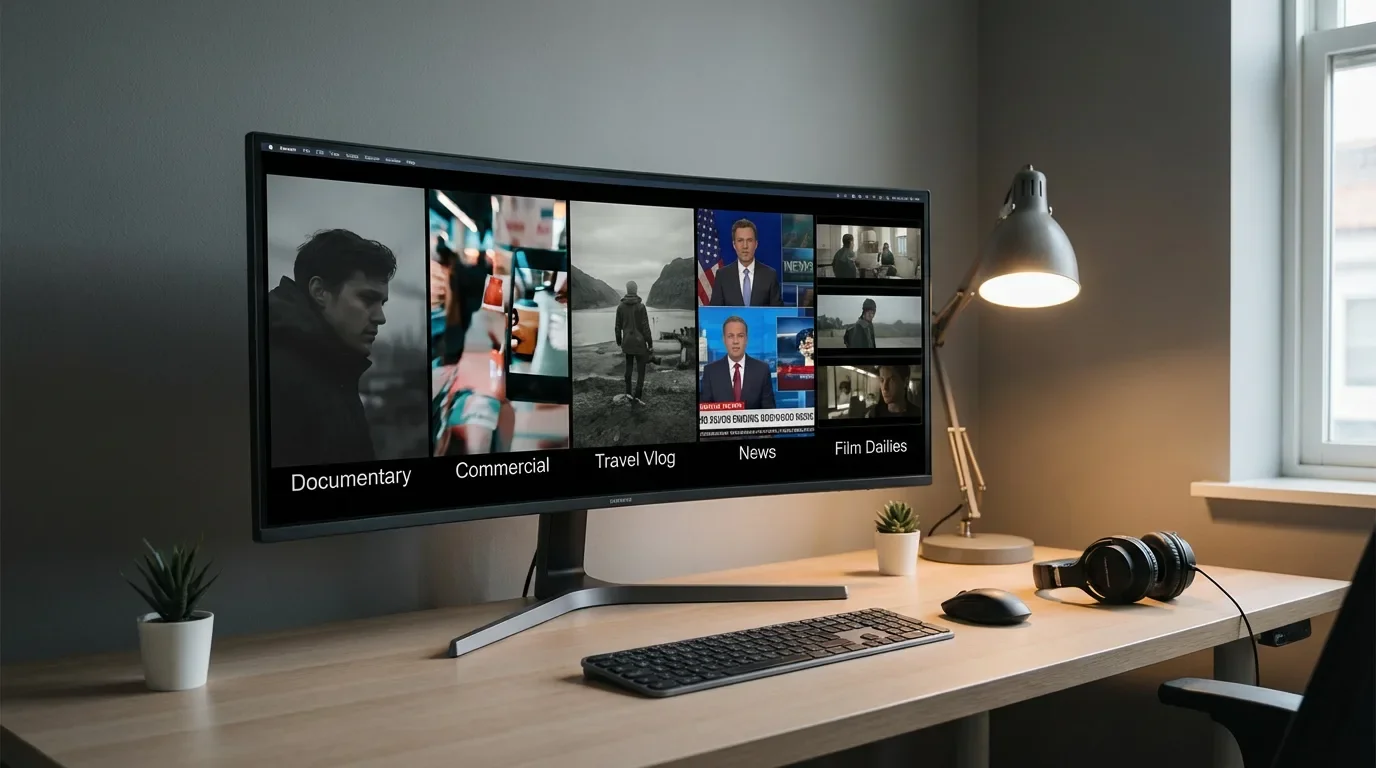
Editing style is not just a creative decision. It is a strategic one.
Different industries demand different emotional tones, pacing rhythms, and storytelling structures. A fast-cut, high-energy edit that performs well for a fitness brand may feel chaotic for a law firm. A slow, cinematic narrative that works for a luxury real estate company may feel overly dramatic for a tech startup.
Choosing the right editing style means aligning how your content feels with what your audience expects and how your brand wants to be perceived.
Understand the Expectations of Your Audience
Every industry has an unspoken visual language. Finance, healthcare, legal, and corporate sectors tend to value clarity, professionalism, and restraint. Viewers expect clean transitions, measured pacing, and minimal visual distraction. The edit should reinforce credibility.
Creative industries, lifestyle brands, and consumer-facing startups often benefit from more dynamic pacing, bold graphics, and expressive music choices. In these spaces, energy supports memorability.
Before deciding on style, study the top-performing content within your industry. Identify patterns in pacing, tone, framing, and graphics. You are not copying competitors; you are understanding the expectations of the market.
Match Editing Style to Business Goals
Industry norms matter, but your objectives do to.
If your goal is authority and trust, your editing should prioritize structure, clean audio, and thoughtful pacing. If your goal is rapid audience growth and shareability, sharper hooks and tighter cuts may be necessary. If you are selling premium services, cinematic pacing and refined color grading may communicate value more effectively than trend-driven effects.
The right editing style supports the outcome you want, not just the aesthetic you prefer.
Consider Platform and Format
Industry and platform often intersect. A B2B consulting firm may publish long-form educational videos on YouTube while also producing short-form clips for social media. The editing style must adapt without losing brand identity.
Short-form edits require immediate engagement and strong visual rhythm. Long-form content requires clarity, logical progression, and sustained attention. Narrative projects demand emotional shaping and careful sound design.
The key is consistency in tone, even when pacing shifts across formats.
Define Your Brand’s Editing Identity
Rather than choosing between “fast” or “slow,” define core characteristics that apply across projects. Decide whether your brand feels bold or understated, energetic or composed, cinematic or conversational.
These traits guide decisions about cut frequency, music intensity, graphic usage, and color treatment. Once defined, they create a repeatable system that protects brand recognition while allowing flexibility.
Work With Editors Who Understand Context
The strongest editing choices come from understanding industry context, audience psychology, and business positioning. Editors who work with a brand long-term are better equipped to refine and protect its visual language. They recognize when a trend fits and when it undermines credibility.
Remember, editing should not feel generic, but rather it should feel aligned.
Quick Summary
There is no universally “best” editing style. There is only the style that best supports your industry, your audience, and your goals.
When editing choices reflect strategic intention rather than preference alone, video becomes more than content. It becomes a clear expression of your brand’s position in the market.
